

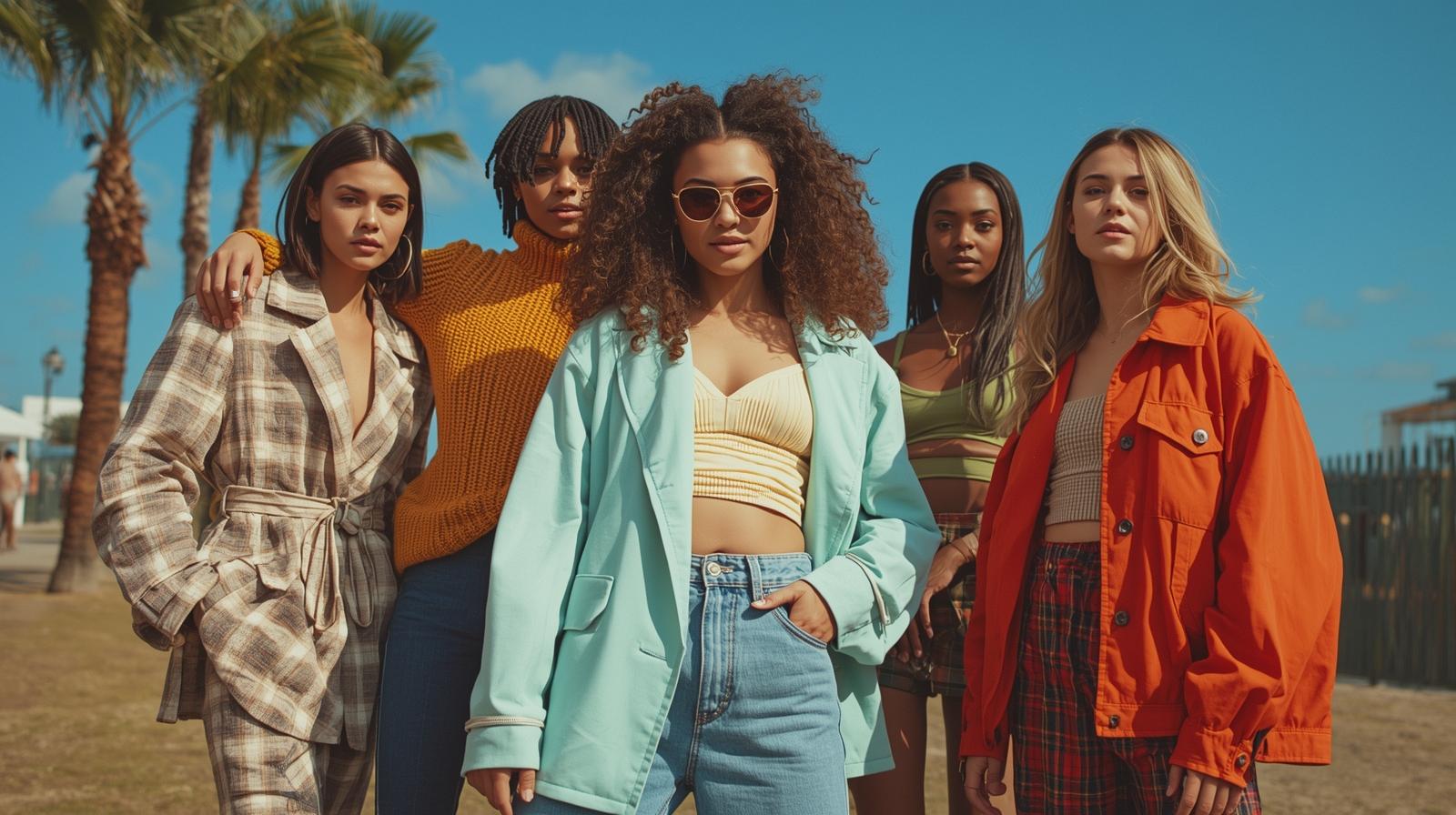
The world of digital influence has rapidly transformed over the past decade. The rise of social media platforms such as Instagram, TikTok, Twitter (now X), YouTube, and Twitch has given birth to a new era of stardom where individuals can amass millions of followers and transform their online popularity into profitable careers. This digital revolution has created what we now call “influencers,” a group of content creators who command attention, shape opinions, and monetize their audiences. Among the many pathways to income, influencer merchandise and alternative platforms have played pivotal roles in shaping this industry. One of the most debated and polarizing spaces in this regard is InfluencersGoneWild, a platform that has sparked interest, curiosity, and controversy alike.
This article takes a deep dive into what this platform is, how it operates, the significance of internet celebrity merchandise, the cultural shifts it represents, and the ongoing discussions about its impact. We will also examine how influencers are redefining their personal brands, leveraging unconventional income streams, and sparking conversations about ethics, authenticity, and the commercialization of digital fame.
The Rise of the Influencer Economy
Influencers are not merely content creators; they are digital entrepreneurs who tap into niche communities, leverage their creativity, and establish profitable businesses. The influencer economy has become a multi-billion-dollar industry, with brands allocating increasing portions of their advertising budgets to influencer partnerships.
At the heart of this economy lies the concept of relatability and trust. Unlike traditional celebrities, influencers often share personal aspects of their lives, which creates a strong sense of connection with their audiences. This bond translates into purchasing power, as followers are more likely to buy products or services recommended by someone they feel personally connected to.
From makeup tutorials to fitness routines, lifestyle vlogs to gaming streams, influencers cover virtually every niche imaginable. As a result, the scope of influencer marketing has expanded far beyond social media endorsements, creating an ecosystem where merchandise, subscriptions, and exclusive content offer even more lucrative opportunities.
What Is InfluencersGoneWild?
InfluencersGoneWild is a controversial yet fascinating platform that caters to influencers seeking alternative avenues to engage with audiences while monetizing their popularity. Unlike mainstream social media platforms that focus on likes, views, and brand collaborations, this platform leans heavily into exclusive and often adult-oriented content.
At its core, InfluencersGoneWild provides a space where influencers can monetize private content through subscriptions, pay-per-view models, or fan-requested interactions. While it draws parallels to other platforms like OnlyFans or Patreon, what makes it distinct is its focus on internet celebrities who already have established fan bases elsewhere. By moving onto this platform, influencers diversify their revenue streams while tapping into the demand for exclusivity.
Critics, however, argue that such platforms blur the lines between influencer marketing and adult entertainment, raising ethical questions about content boundaries, audience targeting, and long-term reputational risks. Nonetheless, the platform continues to attract attention because it represents the changing dynamics of online fame and commerce.
How InfluencersGoneWild Operates
The operational model of InfluencersGoneWild revolves around direct fan engagement. Unlike traditional ad-based income on social platforms, this platform allows influencers to earn money directly from their audience.
-
Subscription Model – Fans can subscribe to an influencer’s profile to gain access to premium content.
-
Pay-Per-View Content – Special videos, images, or behind-the-scenes material may be locked behind additional paywalls.
-
Merchandise Integration – Many influencers combine exclusive content with physical or digital merchandise, creating bundled offerings.
-
Fan Requests – Custom content or personalized interactions are another income stream.
This direct-to-fan approach cuts out the middleman and provides influencers with more control over pricing, content, and audience relationships. It also ensures that income is less reliant on fluctuating algorithms and brand partnerships, which often dominate mainstream social media earnings.
Internet Celebrity Merchandise: A Parallel Industry
While platforms like InfluencersGoneWild attract headlines, another critical aspect of influencer culture is merchandise. Internet celebrity merchandise has become a mainstream phenomenon, ranging from simple branded T-shirts and hoodies to high-end collaborations with global fashion houses.
The success of influencer merchandise lies in its emotional value. Fans view these items not merely as clothing or accessories but as symbols of identity and belonging. Wearing influencer-branded merchandise allows followers to showcase their loyalty and feel like part of an exclusive community.
Influencers often use merchandise as both a revenue stream and a marketing tool. Limited edition drops, collaborations, and personalized products create a sense of urgency and exclusivity that drives demand. This trend has blurred the line between influencer branding and mainstream retail, making merchandise a central pillar of internet celebrity culture.
The Allure of Exclusivity in Influencer Culture
One of the strongest forces driving platforms like InfluencersGoneWild and the rise of influencer merchandise is exclusivity. Fans crave behind-the-scenes access, personal interactions, and limited-edition products that feel intimate and rare.
Exclusivity also provides influencers with a powerful business model. By offering content or merchandise that is not available anywhere else, they can command higher prices and foster deeper loyalty among their followers. This exclusivity, however, can also fuel controversy, as critics argue that influencers exploit fan devotion for profit.
Nonetheless, exclusivity remains a cornerstone of the influencer economy, with platforms and merchandise strategies designed to capitalize on this psychological dynamic.
The Controversies Surrounding InfluencersGoneWild
Despite its growing popularity, InfluencersGoneWild has faced significant controversy. Critics raise concerns about its adult-oriented focus, the blurring of professional boundaries, and the long-term consequences for influencers who associate with such platforms.
-
Ethical Concerns – The sexualization of influencer culture raises questions about the responsibilities influencers hold toward younger audiences.
-
Reputation Risks – While some influencers thrive on the platform, others risk damaging their broader brand partnerships by being associated with adult content.
-
Exploitation vs. Empowerment – Supporters argue that the platform empowers influencers to control their content and income, while critics claim it encourages exploitation.
-
Audience Segmentation – Many influencers struggle to balance mainstream content with exclusive material without alienating parts of their fan base.
These controversies highlight the tension between financial independence and public image, an issue that defines much of influencer culture today.
The Broader Shift in Influencer Marketing
The emergence of platforms like InfluencersGoneWild reflects a broader shift in influencer marketing. Traditional brand deals are no longer the only or even the most lucrative path for influencers. Instead, many are turning toward direct-to-fan revenue models that prioritize independence and control.
This shift has reshaped the influencer landscape in several ways:
-
Greater Autonomy – Influencers are less dependent on brands and more focused on cultivating their own audiences.
-
Diversified Income Streams – Merchandise, subscription platforms, and digital products reduce financial vulnerability.
-
Global Reach – Direct-to-fan platforms break down geographical barriers, allowing influencers to monetize fans worldwide.
-
Changing Perceptions – The move toward unconventional platforms has sparked debates about authenticity, responsibility, and the boundaries of influencer culture.
Case Studies: Successful Influencers Leveraging Merchandise and Exclusive Platforms
Several influencers have successfully navigated the dual world of merchandise and exclusive platforms. For instance, YouTubers have built multimillion-dollar businesses selling branded apparel, while Instagram models have turned subscription platforms into full-time careers.
By combining merchandise drops with exclusive content, these influencers maximize revenue while maintaining fan loyalty. Their success stories demonstrate that unconventional platforms, despite controversies, can become legitimate business models when managed strategically.
Challenges Influencers Face
Despite the opportunities, influencers face numerous challenges in navigating this complex landscape:
-
Balancing Authenticity and Monetization
-
Managing Reputational Risks
-
Navigating Legal and Ethical Issues
-
Handling Fan Expectations
-
Sustaining Long-Term Relevance
These challenges require influencers to carefully evaluate every decision, from launching merchandise to joining exclusive platforms like InfluencersGoneWild.
Future of Influencer Merchandise and Exclusive Platforms
Looking ahead, the influencer economy shows no signs of slowing down. Merchandise will likely continue to grow, evolving into more sophisticated collaborations with established brands. At the same time, exclusive platforms will diversify, catering to various niches beyond adult content.
The future may see hybrid models where influencers combine physical merchandise with digital perks, virtual experiences, or blockchain-based collectibles like NFTs. These innovations will further reshape the boundaries of online influence and digital commerce.
FAQs
Q1. What is InfluencersGoneWild?
InfluencersGoneWild is an online platform where influencers monetize exclusive, often adult-oriented content through subscriptions, pay-per-view material, and fan requests.
Q2. How does InfluencersGoneWild differ from other subscription platforms?
While similar to Patreon or OnlyFans, InfluencersGoneWild primarily focuses on influencers with large social media followings who are looking for alternative revenue streams.
Q3. Is internet celebrity merchandise still profitable for influencers?
Yes. Merchandise remains one of the most reliable and profitable revenue streams for influencers, offering both income and brand visibility.
Q4. What controversies surround InfluencersGoneWild?
Critics argue it blurs the line between influencer culture and adult entertainment, raising ethical concerns, reputational risks, and questions of exploitation.
Q5. Can influencers balance mainstream content with exclusive platforms?
Yes, but it requires careful audience segmentation, transparent communication, and thoughtful brand management to avoid alienating fans.
Conclusion
The rise of influencers has reshaped the digital world, blurring the boundaries between celebrity, entrepreneurship, and personal branding. Platforms like InfluencersGoneWild highlight the complexities of this new economy, where opportunities for independence and direct-to-fan revenue coexist with ethical dilemmas and reputational risks. At the same time, internet celebrity merchandise continues to flourish as a powerful expression of community and loyalty.
As the influencer economy continues to evolve, one thing is clear: adaptability and authenticity will determine who thrives in this ever-changing landscape. Whether through merchandise, exclusive platforms, or innovative digital products, influencers are rewriting the rules of fame and commerce in the 21st century.