

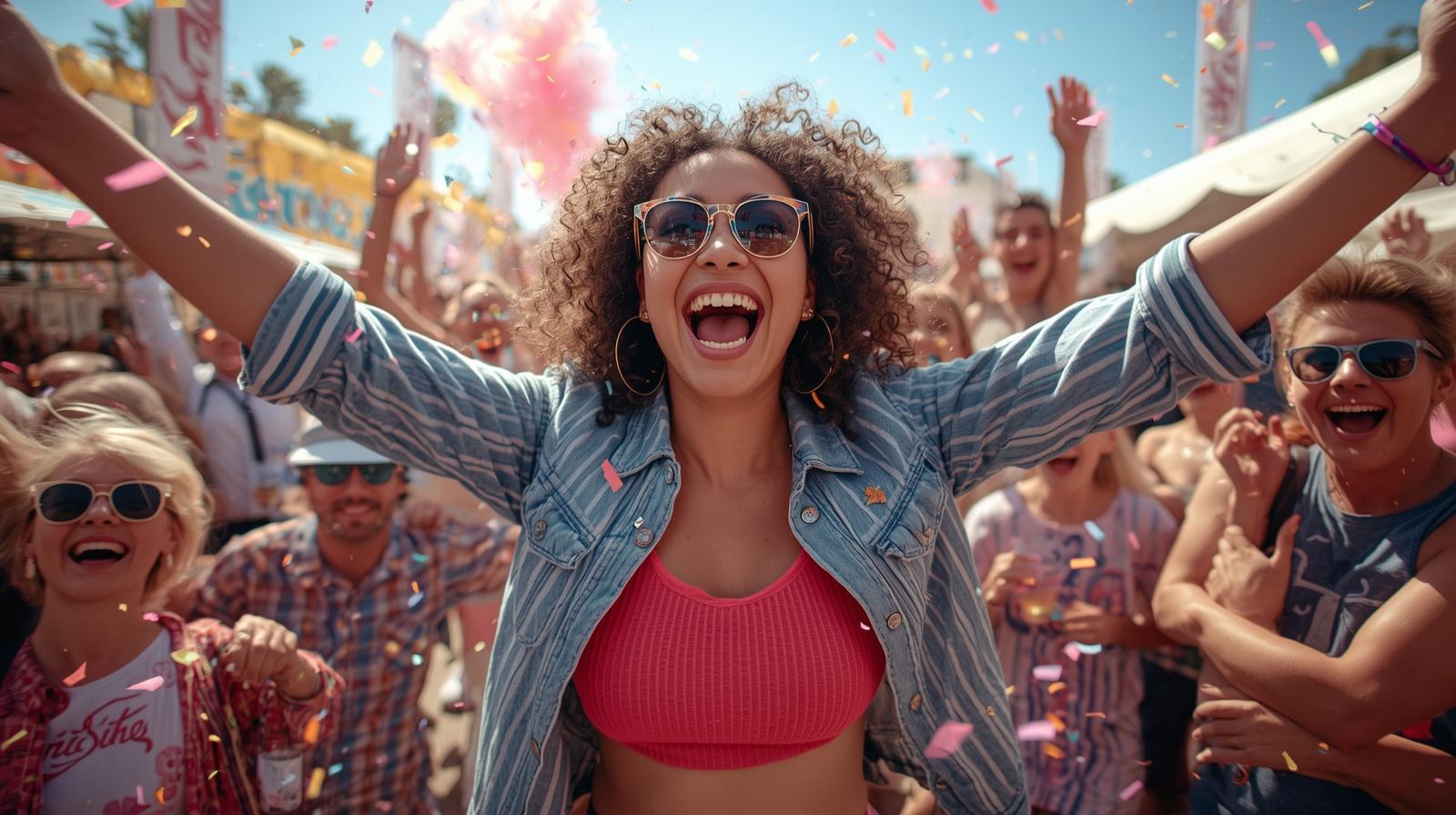
For years, social media was painted as the land of flawless perfection. Influencers became modern-day celebrities, carefully curating every post to mirror luxury, glamour, and aspiration. Their lives appeared spotless: no blemishes, no mistakes, and certainly no chaos. However, audiences have grown weary of this overly polished narrative. Today, the tide has shifted toward authenticity, imperfection, and raw storytelling. This shift has given rise to what many now call “influencers gonewild” — a movement where creators abandon picture-perfect illusions and embrace the beautiful mess of real life.
This article explores how influencer culture has evolved, why audiences now crave rawness, and what this means for the future of digital influence.
The End of the “Instagram-Perfect” Era
The early days of influencer culture thrived on aesthetics. Instagram feeds resembled glossy magazine spreads. Everything was polished: the lighting, the poses, the outfits, the settings, and even the captions. This era saw influencers selling not only products but also lifestyles — the dream of sipping coffee in Paris, lounging on exotic beaches, and enjoying luxury that seemed attainable if you just followed their path.
But as more influencers replicated this formula, it became predictable and even exhausting for followers. The same beach shots, the same travel poses, and the same motivational quotes began to feel inauthentic. Audiences grew skeptical, asking: Is this real?
The pressure to maintain perfection also took a toll on influencers themselves. Burnout became common. The gap between reality and online presentation widened. Eventually, cracks appeared in the facade. This set the stage for something new: content that is messy, spontaneous, and real.
What Does “Influencers Gonewild” Really Mean?
At first glance, the phrase might sound like scandal-driven chaos, but that’s not what this movement is about. “Influencers gonewild” represents a rebellion against staged perfection. It’s about creators showing the unfiltered side of their lives — the moments that would never make it into a glossy Instagram grid.
Instead of highly curated photos, audiences now see:
-
Influencers crying during tough days.
-
Messy bedrooms in the background of videos.
-
Chaotic behind-the-scenes moments from brand collaborations.
-
Unedited clips full of laughter, mistakes, and even awkward silences.
This shift isn’t about shock value. It’s about relatability. Followers find comfort and connection in seeing that influencers, too, have bad days, make mistakes, and live imperfect lives.
Why Audiences Demand Rawness
Several factors contributed to this cultural shift toward authenticity:
1. Content Overload
Social media feeds became saturated with the same type of curated posts. Audiences craved something different, something that cut through the noise.
2. The Mental Health Awakening
The pandemic and ongoing discussions about mental health highlighted the dangers of unrealistic standards online. Followers began appreciating influencers who shared vulnerabilities rather than perfection.
3. The Rise of Short-Form Video
Platforms like TikTok and Instagram Reels thrived on quick, raw, and spontaneous clips. Unpolished content became more engaging than heavily edited photoshoots.
4. Gen Z’s Influence
Gen Z, a dominant force in online culture, values authenticity over luxury. They are less impressed by designer handbags and more drawn to real conversations and unfiltered humor.
The Business of Being Real
Surprisingly, authenticity has proven to be not only emotionally powerful but also financially rewarding. Brands initially hesitated to embrace this chaotic style, fearing it wouldn’t align with their polished marketing. However, data tells a different story:
-
Higher Engagement: Unfiltered content garners more likes, shares, and comments.
-
Stronger Trust: Followers are more likely to trust recommendations from influencers who appear genuine.
-
Better Conversions: Authentic storytelling drives stronger purchasing decisions than traditional, staged promotions.
Brands now actively seek collaborations with influencers who balance relatability and credibility. The era of sterile, picture-perfect advertising is being replaced by campaigns that celebrate imperfection.
Examples of Raw Influencer Content
To understand the cultural phenomenon, let’s look at real-life examples of how influencers are embracing this movement:
-
Lifestyle vloggers share chaotic morning routines, complete with spilled coffee and messy hair.
-
Fitness creators show struggles with motivation, failed workouts, and bloopers instead of only posting perfect results.
-
Beauty influencers film “get ready with me” videos where they openly talk about breakouts, mental health, or bad skin days.
-
Travel vloggers reveal the mishaps: canceled flights, getting lost, or dealing with budget issues.
This honesty doesn’t make them less admired — it makes them more relatable.
From Curated to Chaotic: A Cultural Reflection
The shift toward rawness reflects broader cultural changes. Society is increasingly rejecting impossible standards. From body positivity movements to conversations about mental health, people want more honesty across all media. Social media, once criticized for its toxicity, is now evolving into a space where imperfection is not only accepted but celebrated.
The “influencers gonewild” trend mirrors this evolution. It reminds us that influence isn’t about being untouchable; it’s about being human.
The Psychology Behind Authenticity
Why does authenticity resonate so deeply? Psychology offers several answers:
-
Mirror Effect: People like seeing themselves reflected in the content they consume. Relatable struggles make influencers feel like peers rather than distant celebrities.
-
Vulnerability Builds Connection: When influencers share struggles, it fosters empathy and a sense of intimacy.
-
Trust Factor: Audiences are more likely to trust someone who admits imperfections than someone who constantly portrays perfection.
This psychology explains why influencers who embrace chaos often build stronger, more loyal communities.
The Risks of Rawness
While authenticity has many benefits, it also comes with risks. Some influencers may overshare personal details, exposing themselves to criticism or even privacy threats. Others may try to fake authenticity — staging “messy” moments in the same way they once staged perfection. Audiences, however, are sharp and quick to spot dishonesty.
Navigating this balance is crucial. The key is intentional vulnerability: sharing real moments without turning every flaw into content.
The Role of Platforms in Shaping the Movement
Different platforms have influenced the raw content trend in unique ways:
-
TikTok thrives on unedited, funny, and chaotic videos.
-
Instagram has shifted from polished photos to authentic reels.
-
YouTube vloggers experiment with uncut daily life videos.
-
Twitter/X fosters unfiltered thoughts and rants that often go viral.
Each platform contributes to shaping how authenticity is expressed and consumed.
What This Means for the Future of Influencer Culture
Looking ahead, the “influencers gonewild” movement is unlikely to fade. Instead, it signals a long-term cultural shift. The influencers who thrive will be those who can blend relatability with responsibility. Audiences will continue to demand honesty, but they will also expect influencers to maintain boundaries and authenticity without manipulation.
A Comparative Table: Polished vs. Raw Influencer Culture
| Aspect | Polished Era | Raw Era (Influencers Gonewild) |
|---|---|---|
| Content Style | Curated, edited, aesthetic | Unedited, spontaneous, chaotic |
| Audience Reaction | Admiration, envy | Loyalty, trust, relatability |
| Brand Appeal | Luxury-focused | Authentic engagement |
| Mental Health Impact | Pressure, burnout | Relief, connection |
| Longevity | Short-term trends | Long-term trust-building |
FAQs about Influencers Gonewild
1. What does “influencers gonewild” mean?
It refers to a movement where social media influencers move away from highly curated, perfect content and embrace raw, unfiltered, and authentic moments. It’s not about scandals but about honesty.
2. Why do audiences prefer unpolished content now?
Audiences crave relatability and connection. Polished posts often feel fake, while raw content feels human and trustworthy.
3. How do brands benefit from this shift?
Brands gain stronger engagement, higher trust, and better conversions when they collaborate with authentic influencers who share real experiences.
4. Is there a risk of oversharing?
Yes. While authenticity is valued, influencers must maintain boundaries to protect their privacy and mental health.
5. Will polished content disappear completely?
Not entirely. There will always be room for aspirational content, but the balance is shifting toward authenticity as the new standard.
Conclusion
The digital world is experiencing a revolution. The glossy, picture-perfect era of influencer culture is giving way to authenticity, rawness, and relatability. The rise of “influencers gonewild” is not about chaos for its own sake but about breaking down the walls of illusion that social media once built.
In this new era, followers don’t want gods and goddesses on their feeds; they want humans. They want to laugh with influencers when things go wrong, empathize with them during struggles, and celebrate their real successes.