

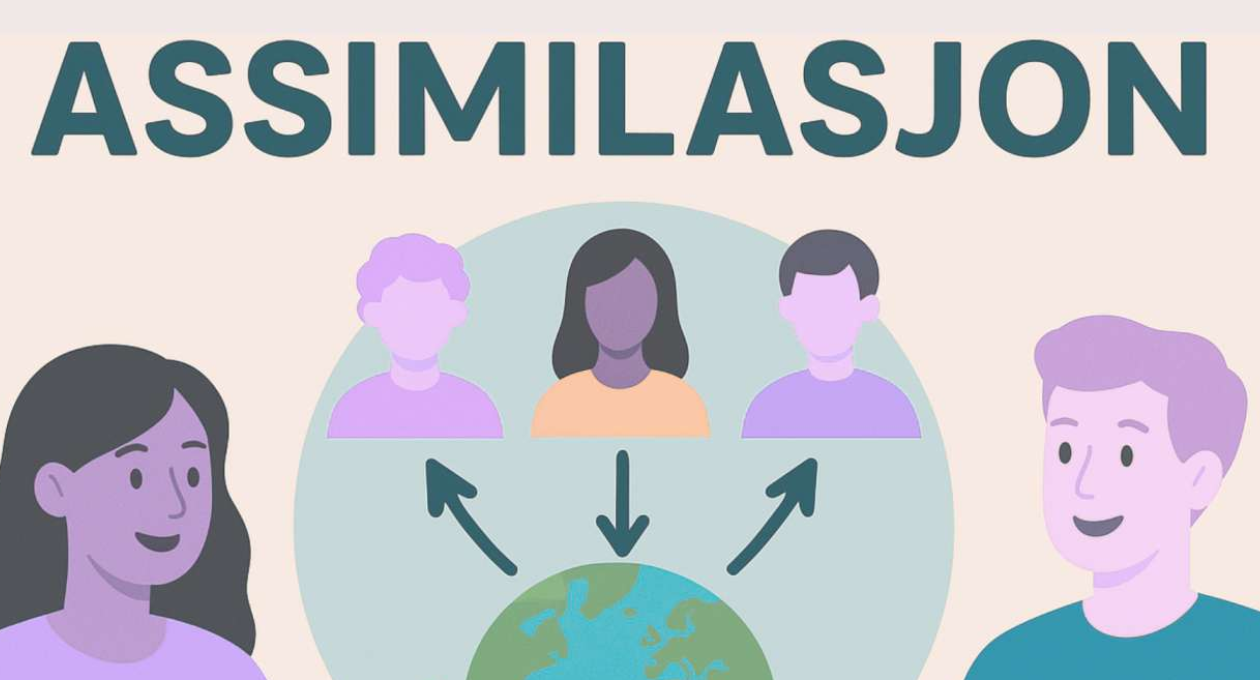
Assimilasjon is a term widely used in sociology, psychology, and cultural studies to describe the process through which individuals or groups adopt the cultural traits of another group. Most commonly, it refers to how immigrants or minority groups gradually adopt the language, values, traditions, and social behaviors of a dominant culture. While assimilasjon can promote unity and shared identity, it can also raise questions about cultural loss and identity preservation.
In today’s increasingly globalized world, assimilasjon remains a central topic in discussions about immigration, multiculturalism, and national identity. Understanding this concept helps societies create balanced approaches that respect diversity while fostering social cohesion.
What Is Assimilasjon?
Assimilasjon is the process by which individuals or groups become similar to a dominant or majority culture over time. This adaptation can occur voluntarily or under social pressure and may affect language, customs, beliefs, dress, and social norms.
In many cases, assimilasjon happens gradually across generations. First-generation immigrants may retain much of their original culture, while second or third generations often integrate more fully into the dominant society. The degree of assimilasjon varies depending on social acceptance, policies, and personal choices.
Historical Background of Assimilasjon
Historically, assimilasjon has played a major role in nation-building. Many countries encouraged or enforced assimilas jon to create a unified national identity. Schools, workplaces, and legal systems often favored one dominant language and set of values, making assimilas jon necessary for social mobility.
In earlier eras, assimilas jon policies were sometimes strict and exclusionary, expecting minorities to abandon their cultural heritage completely. Over time, this approach has been widely debated, leading many societies to adopt more inclusive models that allow cultural expression alongside integration.
Types of Assimilasjon
Cultural Assimilasjon
Cultural assimilas jon involves adopting the traditions, customs, and social behaviors of the dominant group. This may include celebrating national holidays, following local social norms, or changing lifestyle habits to align with the broader society.
Linguistic Assimilasjon
Language plays a key role in assimilas jon. Learning and regularly using the dominant language is often the fastest path to integration. Linguistic assimilasjon improves communication, access to education, and employment opportunities.
Social Assimilasjon
Social assimilas jon occurs when individuals form relationships, friendships, and networks within the dominant society. This includes participation in community activities, workplaces, and social institutions.
Structural Assimilasjon
Structural assimilas jon refers to equal participation in social institutions such as education systems, political structures, and economic markets. This level indicates deeper integration and acceptance within society.
Assimilasjon vs Integration
Although often used interchangeably, assimilasjon and integration are not the same. Assimilas jon typically implies that minorities adapt to the dominant culture, sometimes at the expense of their original identity. Integration, on the other hand, allows individuals to participate fully in society while maintaining aspects of their cultural background.
Modern societies increasingly favor integration because it promotes inclusion without demanding cultural erasure. However, assimilas jon still occurs naturally in many settings, especially over generations.
Benefits of Assimilas jon
Assimilas jon offers several potential advantages, particularly in terms of social unity and economic opportunity.
One major benefit is improved communication. Sharing a common language and social norms reduces misunderstandings and helps individuals navigate education, work, and public services more effectively.
Assimilas jon can also foster a sense of belonging. Feeling accepted within a larger community can strengthen social bonds and reduce isolation. For societies, assimilas jon may contribute to national cohesion and shared values.
Challenges and Criticism of Assimilas jon
Despite its benefits, assimilas jon is not without criticism. One of the most common concerns is cultural loss. When individuals feel pressured to abandon their heritage, traditions, and language, it can lead to identity struggles and emotional distress.
Another challenge is unequal expectations. Minority groups are often expected to assimilate more than dominant groups are willing to adapt or accommodate. This imbalance can reinforce social inequality and discrimination.
Assimilas jon can also create generational tension. Younger generations may assimilate more quickly than older family members, leading to cultural gaps within families.
Assimilasjon in Modern Society
In today’s world, assimilas jon looks different than it did in the past. Global communication, social media, and multicultural environments allow individuals to maintain multiple identities simultaneously. People can adopt aspects of the dominant culture while staying connected to their roots.
Governments and institutions now focus more on inclusion, language support, and equal opportunities rather than forced assimilas jon. However, debates around national identity, migration, and social values ensure that assimilasjon remains a relevant and sometimes controversial topic.
Psychological Impact of Assimilasjon
Assimilas jon affects not only social behavior but also mental well-being. Successfully navigating two cultural worlds can build resilience and adaptability. However, forced or rapid assimilas jon may cause stress, anxiety, and identity confusion.
Supportive environments, cultural recognition, and open dialogue help individuals balance adaptation with self-acceptance. When people feel respected, assimilasjon becomes a natural process rather than a burden.
The Role of Education in Assimilasjon
Education plays a crucial role in assimilas jon. Schools introduce language, history, and social norms while shaping a sense of belonging. Inclusive educational practices that respect cultural diversity can promote healthy assimilas jon without marginalization.
Language programs, cultural awareness, and equal access to education help individuals integrate confidently and productively into society.
Future of Assimilasjon
The future of assimilas jon is likely to be more flexible and inclusive. As societies become more diverse, rigid expectations of cultural conformity are gradually giving way to mutual adaptation. Instead of one-sided assimilas jon, shared cultural exchange is becoming more common.
This evolving approach recognizes that societies grow stronger when they balance unity with diversity.
FAQs About Assimilasjon
What does assimilasjon mean in simple terms?
Assimilasjon means adapting to and adopting the culture, language, and social norms of a dominant group or society.
Is assimilasjon always voluntary?
No, assimilas jon can be voluntary or influenced by social pressure, policies, or economic necessity.
Does assimilasjon mean losing your culture?
Not always. While some forms of assimilas jon involve cultural loss, many people maintain aspects of their heritage while adapting to a new society.
How is assimilasjon different from integration?
Assimilas jon focuses on becoming similar to the dominant culture, while integration allows participation without giving up cultural identity.
Is assimilasjon still relevant today?
Yes, assimilasjon remains relevant, especially in discussions about migration, identity, and social cohesion in modern societies.
Conclusion
Assimilas jon is a complex and evolving process that has shaped societies throughout history. While it can promote unity, opportunity, and shared identity, it also raises important questions about cultural preservation and fairness. In today’s interconnected world, understanding assimilasjon helps individuals and communities navigate diversity with empathy and balance. When approached thoughtfully, assimilas jon can coexist with cultural respect, creating societies that are both unified and inclusive.