

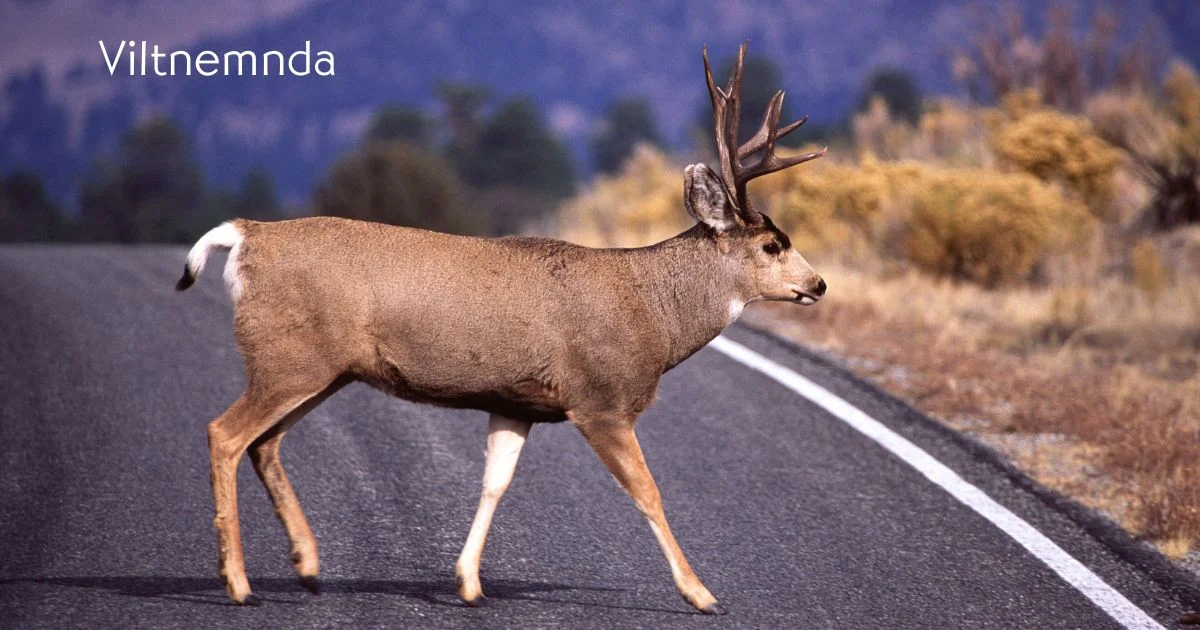
In Norway, the term viltnemnda might initially sound technical or bureaucratic, but it represents one of the most significant institutions responsible for wildlife management at the municipal level. Derived from Norwegian words — vilt meaning “wildlife” and nemnda meaning “committee” — viltnemnda is a formal, legally mandated committee that oversees the responsible management of wild animals, hunting regulations, and the resolution of conflicts between humans and wildlife. Unlike voluntary clubs or interest groups, viltnemnda operates under law, with authority and responsibilities that directly affect the daily lives of residents, hunters, farmers, and drivers traveling through areas inhabited by moose and other large wildlife.
This article provides an in-depth exploration of viltnemnda, explaining its purpose, functions, citizen interactions, challenges, and future prospects.
What is Viltnemnda?
Viltnemnda is essentially the municipal wildlife committee in Norway. Every municipality with forests, agricultural land, or significant wildlife populations is legally required to have one. Its primary responsibilities include:
-
Overseeing the management and conservation of local wildlife populations.
-
Regulating hunting seasons, quotas, and permits.
-
Responding to conflicts between humans and wildlife, such as accidents involving moose or deer.
-
Advising the municipality on wildlife-related policies and safety measures.
Because wildlife in Norway can have a substantial impact on local communities — including road accidents, crop damage, and hunting traditions — the viltnemnda serves as a bridge between legal regulations, ecological science, and community interests.
Legal Basis of Viltnemnda
The establishment of viltnemnda is backed by Norwegian law, specifically designed to ensure that wildlife management is organized, responsible, and sustainable. These committees are not voluntary associations; they are mandatory municipal bodies tasked with upholding both national wildlife laws and local safety measures.
The legal framework ensures that viltnemnda decisions are binding within their jurisdiction, giving them authority over hunting permits, population management, and mitigation of human-wildlife conflicts. This formal structure distinguishes them from hunting clubs or conservation organizations, which may influence public opinion but do not have legal enforcement power.
Composition of Viltnemnda
A typical Its consists of local stakeholders and representatives who collectively manage wildlife concerns. Members often include:
-
Municipal officials knowledgeable about environmental law.
-
Representatives from local farmers or agricultural organizations.
-
Hunters or hunting association representatives.
-
Environmental or wildlife experts appointed to ensure decisions are scientifically sound.
The combination of these perspectives ensures that decisions reflect both ecological sustainability and community safety. Meetings are held regularly, especially before hunting seasons or after incidents involving wildlife.
Responsibilities and Functions of Viltnemnda
The functions of viltnemnda are varied, covering ecological, social, and safety concerns. The most notable responsibilities include:
1. Wildlife Population Management
One of the key tasks of viltnemnda is regulating wildlife populations. By monitoring animal numbers and health, the committee ensures species do not become overpopulated or endangered. Decisions about culling, relocation, or habitat management are guided by scientific data and population studies.
2. Hunting Regulation
It controls hunting seasons, quotas, and licensing within its municipality. This regulation prevents overhunting, protects endangered species, and maintains a balanced ecosystem. Hunters rely on the committee’s guidance to understand legal hunting opportunities and requirements.
3. Conflict Resolution
Human-wildlife conflicts are inevitable in areas with abundant forests and wildlife. Moose, deer, and other large animals can damage crops, endanger road users, or enter residential areas. Viltnemnda mediates such conflicts, providing solutions such as preventive fencing, controlled hunting, or relocation measures.
4. Safety Oversight
Accidents involving large wildlife on roads are a serious concern in Norway. Viltnemnda collaborates with local authorities to implement warning systems, signage, and population control measures to reduce risks for drivers.
5. Community Engagement and Education
In addition to regulatory duties, Its educates the public about wildlife safety, conservation, and legal responsibilities. They may organize informational campaigns, workshops, or community meetings to keep citizens informed.
How Citizens Interact with Viltnemnda
While viltnemnda is a formal legal body, citizens can engage with the committee in several meaningful ways:
-
Reporting Incidents: Residents can report wildlife conflicts, such as crop damage or dangerous encounters.
-
Participating in Consultations: Local citizens may attend public meetings to provide feedback on wildlife management plans.
-
Applying for Permits: Hunters and landowners interact with It when seeking hunting licenses or special permissions.
-
Receiving Advice: Farmers and landowners can receive guidance on protecting property from wildlife.
By maintaining an open line of communication with the community, It balances ecological needs with human safety and livelihood.
Challenges Faced by Viltnemnda
Like any governing body, viltnemnda faces several challenges in fulfilling its mission:
1. Balancing Wildlife and Human Needs
Ensuring the safety of humans while protecting wildlife populations can be complex. Overhunting or under-management can disrupt ecosystems, while too lenient policies may lead to accidents or crop losses.
2. Climate Change Impacts
Shifting weather patterns and habitat changes affect animal migration, reproduction, and survival rates. Viltnemnda must adapt its policies to accommodate these unpredictable changes.
3. Limited Resources
Some municipal committees may lack sufficient funding, personnel, or access to scientific data, limiting their ability to manage wildlife effectively.
4. Conflicting Interests
Farmers, hunters, environmentalists, and local residents may have differing priorities, making consensus difficult. Viltnemnda must navigate these conflicting interests while remaining compliant with legal requirements.
Opportunities for Viltnemnda in the Future
Despite challenges, Its has significant opportunities to evolve and improve its effectiveness:
1. Technology Integration
Using GPS tracking, wildlife cameras, and population modeling software can help viltnemnda monitor animal movements and predict potential conflicts more efficiently.
2. Public Engagement
Expanding educational campaigns and digital platforms can increase citizen awareness and participation, fostering a cooperative approach to wildlife management.
3. Sustainable Practices
Implementing sustainable hunting, habitat restoration, and ecological monitoring can enhance both biodiversity and community safety.
4. Collaboration Across Municipalities
Sharing data and strategies with neighboring municipalities can help manage wildlife that travels across borders, creating a regional approach to ecological balance.
The Role of Viltnemnda in Norwegian Culture
Hunting and wildlife management are deeply embedded in Norwegian culture. That not only ensures compliance with laws but also preserves cultural traditions, such as seasonal hunting, wildlife observation, and respect for nature. By maintaining this balance, viltnemnda strengthens the relationship between humans and the natural environment, fostering a culture of responsibility and stewardship.
Case Study: Viltnemnda in Action
A common scenario illustrating Its role involves moose accidents on rural roads. When reports of frequent accidents surface, the committee may:
-
Conduct wildlife population surveys in affected areas.
-
Implement temporary hunting quotas to reduce overpopulation.
-
Install warning signs for drivers and advise municipalities on road planning.
-
Provide community guidance for avoiding encounters and protecting property.
This coordinated response showcases how Its actively works to protect both people and wildlife.
How to Contact Your Local Viltnemnda
Citizens interested in engaging with viltnemnda can find their local committee through municipal websites. Most municipalities provide:
-
Contact information for reporting wildlife issues.
-
Guidelines for hunting permits and regulations.
-
Access to meeting schedules and public consultation events.
Being informed about Its activities empowers residents to contribute positively to local wildlife management.
FAQs About Viltnemnda
Q1: Is viltnemnda the same as a hunting club?
A1: No, viltnemnda is a legally mandated municipal committee, while hunting clubs are voluntary organizations. The committee has legal authority over wildlife management, whereas clubs mainly provide recreational and social functions.
Q2: Can I report a wildlife accident to viltnemnda?
A2: Yes. Citizens are encouraged to report wildlife-related accidents, crop damage, or dangerous encounters to their local viltnemnda, which can take appropriate action.
Q3: Does viltnemnda regulate hunting everywhere in Norway?
A3: Viltnemnda operates at the municipal level, so each municipality has its own committee responsible for local hunting and wildlife regulations.
Q4: How are viltnemnda members chosen?
A4: Members are appointed by the municipality and typically include representatives from local government, hunters, farmers, and wildlife experts.
Q5: What is the main goal of viltnemnda?
A5: The main goal of It is to ensure sustainable wildlife management while protecting human safety and supporting community interests.
Conclusion
The viltnemnda is far more than a bureaucratic term in Norwegian law — it is a vital institution ensuring the balance between wildlife conservation and human safety. By managing hunting, mitigating conflicts, and educating communities, viltnemnda strengthens Norway’s cultural respect for nature and biodiversity. Despite challenges like limited resources and climate change, the committee has ample opportunities to innovate through technology, public engagement, and sustainable practices.
For anyone living in or traveling through Norway, understanding the role of viltnemnda is essential, whether you are a farmer, hunter, driver, or simply a nature enthusiast. By collaborating with this committee, citizens contribute to safer roads, thriving wildlife, and a stronger connection to Norway’s rich natural heritage.