

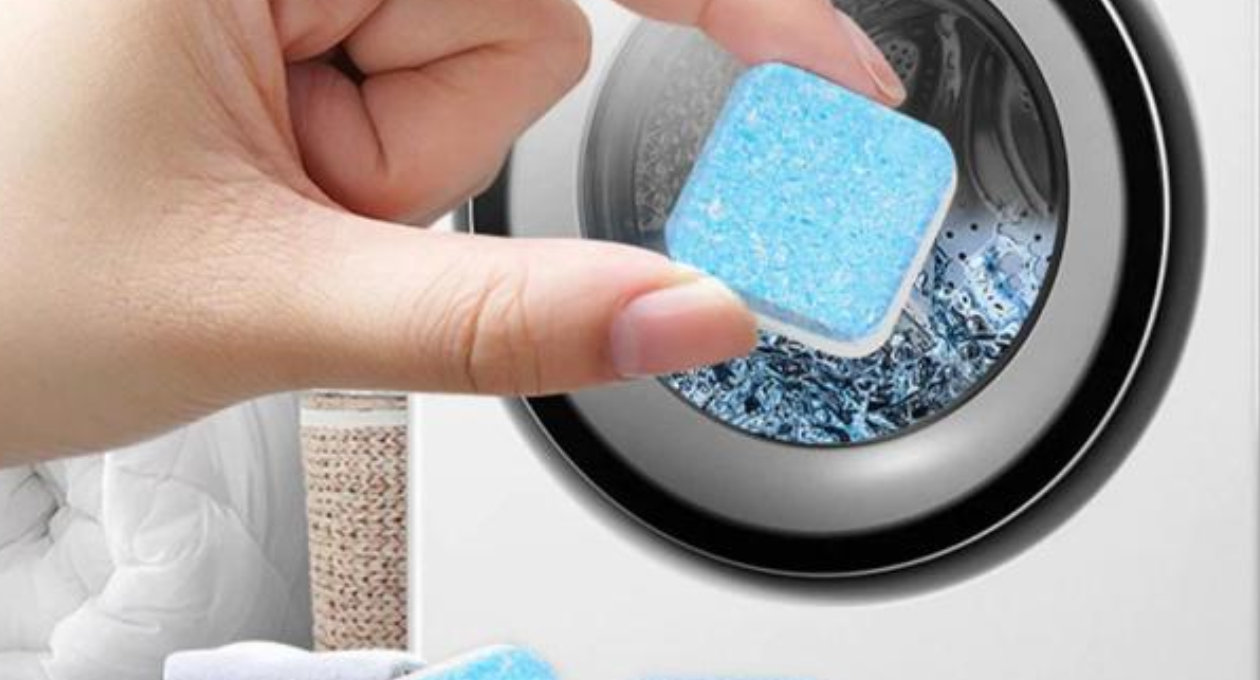
A washing machine is one of the most used home appliances, but many people forget that it also needs regular cleaning. Over time, detergent residue, dirt, hard water minerals, and bacteria can build up inside the drum and hidden parts. This leads to bad smells, reduced performance, and even damage to clothes. That’s where a washing machine cleaner becomes essential.
In this detailed guide, we will explore what washing machine cleaners are, how they work, types available, benefits, usage methods, and tips to keep your machine in top condition.
What Is a Washing Machine Cleaner?
A washing machine cleaner is a specially formulated product designed to remove dirt, limescale, detergent buildup, mold, and bacteria from inside your washing machine. Unlike regular detergents that clean clothes, these cleaners focus on cleaning the internal components of the machine itself.
They help clean areas that you cannot easily reach, such as:
- Drum interior
- Rubber door seal
- Pipes and hoses
- Detergent drawer
- Hidden filters
By using a cleaner regularly, you maintain hygiene and improve the efficiency of your washing machine.
Why You Need a Washing Machine Cleaner
Many users assume that since water and detergent run through the machine, it stays clean automatically. However, this is not true.
Here are some important reasons why a washing machine cleaner is necessary:
1. Removes Bad Odors
Moisture inside the machine can lead to mold and mildew, causing a musty smell. A cleaner eliminates these odor-causing bacteria.
2. Improves Machine Performance
Built-up residue can block water flow and reduce washing efficiency. Cleaning restores smooth operation.
3. Extends Machine Lifespan
Regular maintenance reduces wear and tear, helping your machine last longer.
4. Keeps Clothes Fresh
A dirty machine can transfer smells and residue to your clothes, making them less fresh even after washing.
Types of Washing Machine Cleaners
There are several types of cleaning products available in the market. Each works in a slightly different way.
1. Liquid Cleaners
Liquid cleaners are easy to use and dissolve quickly in water. They are ideal for deep cleaning cycles.
2. Powder Cleaners
These are strong cleaning agents that help remove heavy limescale and detergent buildup.
3. Tablets or Pods
Pre-measured tablets are convenient and mess-free. You simply drop one into the drum and run a cycle.
4. Natural Cleaners
Some people use natural alternatives like vinegar and baking soda. These can help with light cleaning but may not be as strong as commercial products.
How to Use a Washing Machine Cleaner
Using a washing machine cleaner is simple and usually takes one wash cycle.
Step-by-Step Process:
- Empty the washing machine completely
- Remove any laundry or objects from the drum
- Place the cleaner (liquid, powder, or tablet) inside the drum or detergent tray
- Run a hot water cycle (preferably 60–90°C)
- Let the cycle complete fully
- Wipe the drum and rubber seal after cleaning
For best results, always follow the instructions mentioned on the product label.
How Often Should You Use It?
The frequency depends on usage:
- Heavy usage (daily washing): Once every 2–3 weeks
- Moderate usage: Once a month
- Light usage: Every 6–8 weeks
If you notice bad smells or stains, clean your machine immediately.
Signs Your Washing Machine Needs Cleaning
Sometimes your machine will show signs that it needs immediate attention.
Common warning signs include:
- Unpleasant smell from the drum
- Clothes coming out dirty or with residue
- Visible mold on rubber seals
- Longer washing cycles than usual
- Water not draining properly
If you notice any of these, it’s time to use a washing machine cleaner.
Benefits of Using Washing Machine Cleaner Regularly
Regular cleaning provides multiple advantages:
1. Better Hygiene
Kills bacteria, mold, and germs that accumulate over time.
2. Energy Efficiency
A clean machine uses less energy because it runs smoothly without blockages.
3. Improved Washing Quality
Clothes come out cleaner, fresher, and free from residue.
4. Cost Savings
Preventing damage means fewer repairs and longer appliance life.
5. Odor-Free Machine
Eliminates musty and foul smells permanently when used consistently.
Natural vs Chemical Washing Machine Cleaners
Both options have their pros and cons.
Natural Cleaners
- Eco-friendly
- Budget-friendly
- Good for light cleaning
- Less effective on heavy buildup
Chemical Cleaners
- Strong cleaning power
- Removes deep limescale and mold
- Fast results
- May contain harsh ingredients
For best results, many users alternate between both types.
Tips to Keep Your Washing Machine Clean
In addition to using a washing machine cleaner, follow these habits:
1. Leave the Door Open
After each wash, keep the door open to allow air circulation and prevent mold growth.
2. Wipe the Rubber Seal
Moisture often collects in the rubber gasket, so clean it regularly.
3. Use the Right Detergent
Avoid using too much detergent as it leads to buildup.
4. Clean the Filter
Check and clean the filter every few weeks.
5. Run Empty Hot Cycles
Occasionally run a hot water cycle without clothes to flush out residue.
Common Mistakes to Avoid
Many people unknowingly reduce their machine’s lifespan due to improper care.
Avoid these mistakes:
- Overloading the machine
- Using excess detergent
- Ignoring bad smells
- Skipping regular cleaning cycles
- Not cleaning detergent drawers
These mistakes can lead to long-term damage.
How Washing Machine Cleaner Improves Hygiene
A washing machine is a warm, moist environment—perfect for bacteria growth. Without proper cleaning, harmful microorganisms can spread to clothes, towels, and bedding.
A good washing machine cleaner:
- Eliminates germs
- Removes mold spores
- Breaks down biofilm layers
- Keeps internal parts sanitized
This is especially important for families with children or sensitive skin.
Environmental Impact of Washing Machine Cleaners
Modern cleaning products are designed to be more eco-friendly. However, it is still important to choose responsibly.
- Look for biodegradable formulas
- Avoid excessive chemical usage
- Use only recommended amounts
- Consider natural cleaning methods occasionally
Balancing effectiveness and environmental care is key.
Future of Washing Machine Cleaning Products
Technology in appliance care is improving. New-generation washing machine cleaners are being developed with:
- Enzyme-based formulas
- Fast-dissolving tablets
- Eco-safe ingredients
- Longer-lasting protection
These innovations make machine maintenance easier and more effective.
Conclusion
A washing machine cleaner is not just an optional product—it is an essential part of maintaining your appliance. It ensures cleanliness, improves performance, removes odors, and extends the life of your machine. Whether you use liquid, powder, tablet, or natural cleaners, the key is consistency.
Regular maintenance combined with proper usage habits will keep your washing machine running efficiently for years and ensure your clothes always come out fresh and clean.
FAQs
What is a washing machine cleaner used for?
It is used to remove dirt, mold, detergent buildup, and bad odors from inside the washing machine.
How often should I use a washing machine cleaner?
Most households should use it once a month, but heavy users may need it more frequently.
Can I use vinegar instead of a cleaner?
Yes, vinegar can help with light cleaning, but it is less effective than commercial cleaners for deep cleaning.
Do washing machine cleaners work on all machines?
Yes, most cleaners are suitable for both front-load and top-load machines.
Why does my washing machine smell bad even after washing?
This is usually due to mold or detergent buildup inside the drum, which requires a proper cleaning cycle.
Is washing machine cleaner safe for clothes?
Yes, when used correctly during empty cleaning cycles, it does not affect clothes.